rigid flex boards be used in medical devices
Rigid flex boards can be used in a number of different medical applications, from wearable devices to invasive healthcare equipment. They can help with the design of enclosures, which need to protect delicate electronic components from the environment inside a patient’s body while being easy to open and close.
They can also be used in remote patient monitoring systems and endoscopic or minimally invasive surgical devices. These types of devices need to be able to bend and flex to navigate a patient’s body’s intricate pathways. The rigid flex board’s flexibility and resilience helps them to do this, as well as allowing them to be smaller and lighter than traditional rigid PCBs.
Medical device enclosures need to be able to withstand the weight of multiple devices, as well as being sealed against moisture and bacteria. A rigid flex board board is an ideal choice, as it can be made to the exact specifications of each individual enclosure and can include space for multiple devices to connect. It can also be designed to include LEDs and other electronic components, as well as mounting holes.
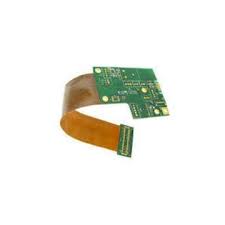
Can rigid flex boards be used in medical devices?
A rigid-flex PCB is a combination of both rigid and flexible printed circuit boards, with the rigid sections sitting in between layers of flexible materials with plated through holes to link them together. The rigid sections can be etched, drilled, and cut to the required shape, while the flex sections are typically covered by an additional layer of polyimide film with or without adhesive (lamination or adhesiveless cladding). This flex-to-rigid process allows designers to use the same fabrication methods for both rigid and flex areas.
Rigid-flex PCBs eliminate the need for cables and connectors to connect rigid boards, which can be more expensive and complex. They are also more cost-effective if there are four or more rigid regions in a design that need to be interconnected. PCBSky’s rigid-flex designs are UL 94V-0 compliant and can be panelized efficiently to save on production time.
The rigid-flex design process begins with the creation of an accurate circuit model using Electronic Design Automation (EDA) software. This includes determining the location of the rigid and flex regions, establishing the appropriate bend radius for the flexible sections, and selecting copper weight to balance flexibility with current-carrying capacity. Stiffeners and support structures may be added to the rigid regions to maintain mechanical reliability, especially if the design is foldable or will be subject to a lot of flexing.
Once the model is completed, a prototype is produced. This can be used for testing, inspection, and manufacturing verification to ensure the final product is up to standards. This is an important step as it can identify potential issues with the design and prevent a costly redesign. Rigid-flex designs are more difficult to test and inspect than traditional rigid PCBs, which can make it essential for fabricators to work closely with designers to provide the best manufacturability. In addition, the physical properties of rigid-flex can vary from one manufacturer to another, so it’s crucial to choose the right material for your design.