

Ceramic PCB Boards
Ceramic PCBs are an ideal choice for use in electronic devices that require high thermal conductivity and protection from environmental factors. They have excellent mechanical strength, can withstand high automatic weights and vibrations, and resist corrosion. They also offer low thermal expansion, making them a great choice for multilayer circuit boards. Their low coefficient of thermal expansion allows for more copper traces and components, and their high thermal conductivity eliminates the formation of hot spots on the surface of the board and its inner parts.
However, while ceramics insulate electricity well, they are brittle, and are more susceptible to cracking under stress or rapid temperature changes than conventional PCB materials like FR-4. They can also be difficult to manufacture and require specialized facilities and techniques. This can increase manufacturing costs and lead times, and make them a less cost-effective option for certain applications.
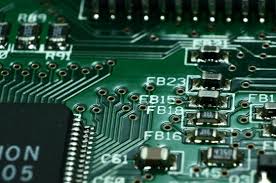
Fortunately, it is possible to repair a broken or damaged ceramic pcb board by resoldering or reballing the affected area with the appropriate material. This will reconnect the broken path and allow electricity to flow through the board normally again. It is important to note, however, that any resoldering or reballing should be done with caution, as it can damage the structure of the ceramic and affect its performance.
Can Ceramic PCB Boards Be Repaired?
There are four different types of ceramic PCBs based on their fabrication technique: thick film, thin film, direct bond copper and multi-layer. Thick film ceramic circuits are manufactured by applying a thick layer of gold and dielectric pastes to a substrate such as alumina or aluminum nitride, and then baking it at high temperatures. This method is often used in high-performance circuits where space and size are critical. Thin-film ceramics, on the other hand, are made by depositing thin layers of copper and dielectric materials onto a substrate using techniques such as sputtering or chemical vapor deposition. This type of circuit is more cost-effective than thick-film ceramics because it does not require the expensive gold conductor.
Direct-bonded copper is a popular choice for ceramic circuits due to its high heat transmission capabilities and resistance to oxidation. Its lower coefficient of thermal expansion helps to keep the conductive pathways of a ceramic circuit board stable during temperature fluctuations and can reduce the risk of cracking and failure. Direct-bonded copper is also easy to etch and solder, which makes it an ideal choice for high-performance electronics that need to withstand intense heat and vibrations.
Multi-layer ceramic PCBs are a good choice for high-performance electronic applications that require complex layouts and multi-chip modules. They are also suitable for harsh environments and microelectronics packaging applications, as they can withstand high levels of current and voltage. They are also fireproof and can withstand exposure to corrosive chemicals.
Although they are more costly than other types of PCBs, ceramic boards are a good choice for high-performance devices that need to operate in harsh environments. Their insulating properties can protect the circuit from electrical interference, while their high thermal conductivity can help dissipate the heat generated by high-power transistors and other components. These benefits make them a popular choice for medical, aerospace, and automotive applications.


