Flex pcb supplier differ from PCB fabrication
In the realm of electronics manufacturing, precision, and reliability are paramount. Whether it’s for consumer electronics, automotive applications, medical devices, or aerospace systems, the quality of printed circuit boards (PCBs) can significantly impact the performance and longevity of electronic products. While both Flex PCB suppliers and traditional PCB fabrication services contribute to this process, they differ in several key aspects, each playing a distinct role in meeting the diverse needs of the electronics industry.
Firstly, let’s delve into the realm of flex pcb supplier. Traditional PCB fabrication involves the production of rigid circuit boards typically made of materials like fiberglass epoxy laminate (FR-4). These rigid boards serve as the foundation for countless electronic devices, providing a sturdy platform for mounting components and routing electrical connections. PCB fabrication processes include substrate preparation, copper clad lamination, etching, drilling, solder mask application, and surface finish, among others. The emphasis here is on producing flat, rigid boards that conform to standardized specifications and dimensions.
In contrast, Flex PCB suppliers specialize in the design and manufacturing of flexible printed circuit boards (Flex PCBs), which offer unparalleled versatility compared to their rigid counterparts. Flex PCBs are constructed using flexible substrates such as polyimide (PI) or polyester (PET), allowing them to bend, twist, and conform to the shape of the device or system they are integrated into. The manufacturing process for Flex PCBs involves similar steps to rigid PCB fabrication but with additional considerations for handling flexible materials, such as minimizing stress during bending and ensuring reliable electrical connections in dynamic environments.
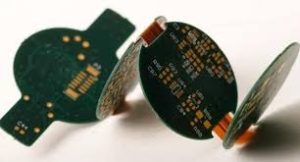
How does Flex pcb supplier differ from PCB fabrication?
One of the primary distinctions between Flex PCB suppliers and traditional PCB fabrication lies in the materials and technologies utilized. While rigid PCBs predominantly utilize FR-4 or similar rigid substrates, Flex PCBs rely on flexible materials that can withstand repeated bending and flexing without compromising electrical performance. Additionally, Flex PCB suppliers employ specialized techniques such as laser cutting, sequential lamination, and flexible solder mask application to accommodate the unique requirements of flexible circuits. These advanced technologies enable Flex PCBs to meet the demands of applications where space constraints, weight reduction, and durability are critical factors.
Another key difference is the level of expertise and specialization offered by Flex PCB suppliers. Designing and manufacturing flexible circuits require specialized knowledge in materials science, mechanical engineering, and electrical engineering. Flex PCB suppliers employ skilled engineers and technicians who understand the nuances of Flex PCB design, including considerations for bend radius, impedance control, and thermal management. Their expertise allows them to develop customized solutions tailored to the specific needs of each application, whether it’s for wearable devices, automotive sensors, or industrial controls.
Furthermore, Flex PCB suppliers often offer additional services beyond manufacturing, such as design assistance, prototyping, and assembly. These value-added services help streamline the product development process and reduce time to market for electronic devices. By collaborating closely with customers from the initial concept stage through production, Flex PCB suppliers can optimize designs for manufacturability, functionality, and cost-effectiveness, ultimately delivering solutions that exceed expectations.
In conclusion, while both Flex PCB suppliers and PCB fabrication services contribute to the electronics manufacturing ecosystem, they serve distinct purposes and cater to different requirements. PCB fabrication focuses on producing rigid boards for conventional electronic devices, while Flex PCB suppliers specialize in flexible circuit solutions that enable innovation in emerging technologies. By understanding the differences between these two entities, electronics manufacturers can make informed decisions when selecting partners to bring their designs to fruition.