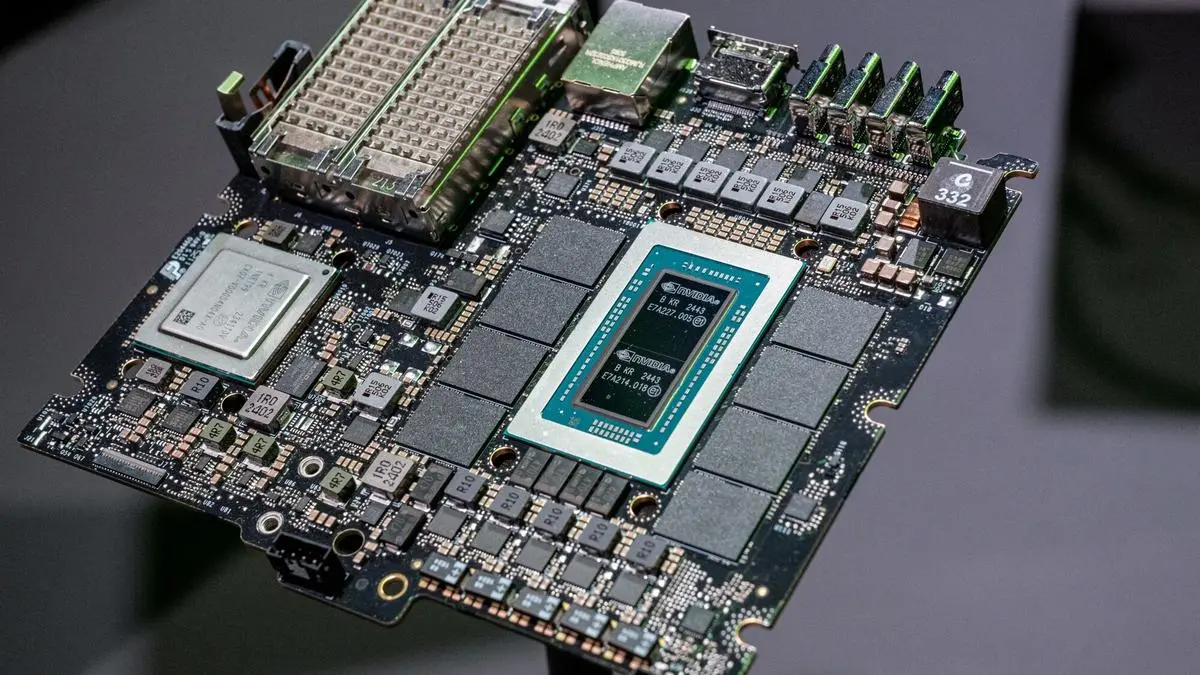
printed circuit boards manufacturers
Quality standards are a critical aspect of printed circuit board (PCB) manufacturing, as they ensure that the boards meet the required performance, safety, and reliability criteria. Printed circuit boards manufacturers follow a variety of industry standards and regulations to guarantee that their products can be effectively integrated into electronic devices while maintaining the necessary functionality over their intended lifespan. These standards are designed to address a range of concerns, including materials, design, manufacturing processes, and testing procedures, all of which play a role in the overall quality of the finished product.
One of the primary quality standards followed by printed circuit boards manufacturers is the IPC-2221 standard. This standard, set by the Institute of Printed Circuits (IPC), provides guidelines for designing and producing PCBs. It covers everything from materials to the manufacturing process and is widely recognized across the electronics industry. IPC-2221 focuses on the design of PCBs to ensure they are manufacturable and meet the desired performance requirements. It also emphasizes the importance of clear communication between design engineers and PCB manufacturers to ensure that the final product adheres to the specifications outlined in the design phase. By adhering to this standard, manufacturers can ensure that their PCBs are reliable and function as intended.
In addition to the IPC-2221, printed circuit boards manufacturers often follow the IPC-610 standard, which focuses on the acceptability of electronic assemblies. This standard provides guidelines on the visual inspection of PCBs, detailing acceptable and non-acceptable conditions for components and solder joints. The IPC-610 standard is especially important for manufacturers in ensuring that the physical characteristics of the PCB meet the highest quality standards. It covers various aspects, such as component placement, soldering, and the integrity of the PCB’s conductive traces, all of which are essential for ensuring long-term functionality and durability.
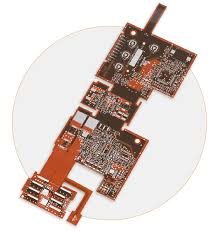
What quality standards do printed circuit boards manufacturers follow?
Another important quality standard followed by printed circuit boards manufacturers is the RoHS (Restriction of Hazardous Substances) directive. RoHS regulations limit the use of hazardous materials in the manufacturing of electronic components, including PCBs. Substances such as lead, mercury, cadmium, and certain flame retardants are restricted to ensure that electronic products are safer for both consumers and the environment. Manufacturers who adhere to RoHS standards must use lead-free soldering materials and avoid the use of other harmful substances, thus contributing to the creation of environmentally friendly electronic products. This standard is particularly important for ensuring compliance in regions like the European Union, where RoHS regulations are mandatory.
In addition to RoHS, printed circuit boards manufacturers also follow ISO 9001, a standard for quality management systems. This standard sets out the criteria for an organization’s ability to consistently produce products that meet customer requirements and regulatory requirements. For PCB manufacturers, following ISO 9001 means implementing rigorous quality control procedures across every stage of production, from the initial design phase to the final product. It ensures that the manufacturing process is efficient, cost-effective, and capable of delivering high-quality PCBs that meet the expectations of customers in various industries.
For high-reliability applications, printed circuit boards manufacturers may also adhere to the IPC-6012 standard, which focuses on the qualification of rigid PCBs. This standard is especially relevant for manufacturers producing boards for critical applications in industries like aerospace, medical devices, and defense. It sets strict requirements for materials, design, and testing to ensure that the PCBs will perform reliably under extreme conditions, including high temperatures, radiation, and mechanical stress.