Printed circuit board assembly manufacturer
Soldering plays a pivotal role in the manufacturing of printed circuit boards (PCBs), serving as the primary method for creating electrical connections between electronic components and the PCB substrate. It is an essential process in PCB assembly that ensures the functionality, reliability, and performance of electronic devices. Soldering involves joining metal surfaces together using a molten alloy, typically composed of tin and lead or other lead-free alternatives, to form strong and durable connections known as solder joints.
One of the primary functions of soldering in printed circuit board assembly manufacturer is to establish electrical connections between electronic components and the conductive traces on the PCB substrate. Electronic components, such as resistors, capacitors, integrated circuits, and connectors, are mounted onto the PCB using solder, which adheres them to the board and creates conductive pathways for the flow of electrical current. These solder joints provide the necessary electrical connectivity between components, enabling the functioning of the circuit and the transmission of signals and power throughout the device.
Moreover, soldering plays a crucial role in ensuring the mechanical integrity and stability of electronic assemblies. Solder joints not only provide electrical connections but also serve as structural reinforcements that secure components to the PCB substrate. Properly formed solder joints create strong bonds between the component leads or terminals and the PCB pads, preventing components from becoming dislodged or detached during operation or handling. This mechanical stability is essential for maintaining the structural integrity of the PCB assembly and preventing component failures or malfunctions.
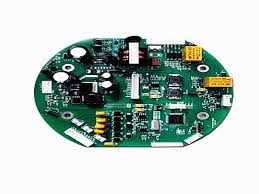
What role does soldering play in Printed circuit board assembly manufacturer?
Furthermore, soldering facilitates the thermal management of electronic devices by promoting efficient heat dissipation and thermal conduction. Electronic components generate heat during operation, which, if not effectively managed, can lead to overheating and degradation of performance or reliability. Solder joints act as conductive pathways that help dissipate heat away from sensitive components and distribute it evenly across the PCB substrate, thereby preventing localized hotspots and thermal stress. By promoting effective thermal management, soldering contributes to the longevity and reliability of electronic devices, especially those operating in demanding environments or under high-temperature conditions.
In addition to providing electrical and mechanical connections, soldering also enables the sealing and protection of electronic assemblies against environmental factors such as moisture, dust, and corrosion. Solder forms a hermetic seal around component leads or terminals and PCB pads, preventing the ingress of contaminants that could compromise the integrity of the assembly. This sealing effect helps safeguard sensitive electronic components from moisture-induced damage or oxidation, ensuring the long-term reliability and performance of the device, particularly in harsh operating environments.
Furthermore, soldering techniques such as reflow soldering and wave soldering are essential for achieving high levels of automation and productivity in PCB assembly manufacturing. Reflow soldering involves depositing solder paste onto component pads, followed by subjecting the assembly to controlled heating to melt the solder and create solder joints. Wave soldering, on the other hand, employs a wave of molten solder to selectively solder through-hole components on the underside of the PCB. These soldering methods enable manufacturers to achieve precise and consistent soldering results across large volumes of PCB assemblies, thereby optimizing production efficiency and reducing costs.
In conclusion, soldering plays a multifaceted role in printed circuit board assembly manufacturing, encompassing electrical connectivity, mechanical stability, thermal management, environmental protection, and production efficiency. By forming reliable solder joints between electronic components and the PCB substrate, soldering ensures the functionality, reliability, and longevity of electronic devices, thereby fulfilling the diverse needs of the electronics industry. As technology continues to advance and the demand for high-performance electronic devices grows, soldering will remain a cornerstone of PCB assembly manufacturing, driving innovation and enabling progress in the field.