surface finishes are available for PCB flex rigid
PCB flex rigid is designed to be used in products that need to bend, flex, or fold. Examples include wearables, medical devices, or avionic systems that need to be folded and twisted to fit into small spaces. The ability to withstand mechanical stress is vital in this type of circuit design. However, this flexibility also requires careful consideration when it comes to the electrical performance and reliability of the board. The right choice of surface finish can help ensure that your flex rigid PCB will perform as expected in the end product.
The correct surface finish for your pcb flex rigid can impact the durability, reliability, and performance of your finished product. This is because the final surface finish will determine how your PCB reacts to environmental stresses, such as elevated and fluctuating temperatures. It will also influence its ability to withstand vibrations and movement and whether it can support RF and thermal stability requirements.
you need to consider several factors, including cost, the application, and environmental conditions like temperature and humidity. You should also think about the type of conductor material you need and its corresponding assembly process. Then you need to consider a surface finish that will best protect the copper and allow for easy soldering and wire bonding.
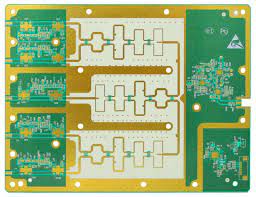
What surface finishes are available for PCB flex rigid?
Choosing the wrong surface finish can result in poor performance, which could lead to costly mistakes and downtime for your business. This is why it’s important to consult with your pcb manufacturer to find the right solution for your unique needs. The professionals at MorePCB have the experience to guide you through this process, ensuring that your PCB has the right surface finish to meet your requirements.
A good option for your pcb flex rigid is Hot Air Solder Leveling (HASL). This finish uses a traditional copper foil that is dipped in a molten pot of solder. It then undergoes a process called “hot air leveling” to remove the excess, leaving a thin layer of solder over the pads. HASL offers excellent solderability and is less expensive than other options. However, it is not suitable for fine-pitch components and has a tendency to form tin whiskers over time.
The production of flex-rigid PCBs involves complex processes, including precise lamination, drilling, and plating. Designers must account for the different thermal expansion rates of flexible and rigid materials to prevent delamination. Additionally, manufacturers must ensure the flexible sections maintain their mechanical integrity without compromising electrical performance.
Despite these challenges, advancements in materials and manufacturing techniques continue to drive the adoption of flex-rigid technology. A better alternative to HASL is Immersion Gold. This finish uses a layered structure of hard gold over electrolytic nickel to prevent the copper from oxidizing and is also RoHS compliant. However, it is more expensive than HASL and can be susceptible to black pad syndrome, which may require the use of a diffusion barrier to correct.